

Wearable data is easy to collect but difficult to turn into trusted RWE. Explore six fixes for the most common data problems when using wearables in research.


- Who Owns Your Clinical Trial Software When The Vendor Leaves?
- What South Africa's Trial Sites Teach Global Clinical Research
- Research Design Mistakes Even Experienced Analysts Still Make
- The Infrastructure Behind Virtua Health's Push Toward 1.5 Million Studies A Year
- A Framework For Deploying AI In Clinical Trials Without The Hype
- Why Younger Clinical Researchers Are More Wary Of AI Than Their Elders
- Your EDC Query Count Is Trying To Tell You Something
- Inside The Rush To Accelerated Approval: A Consultant's View
ON-DEMAND WEBINARS
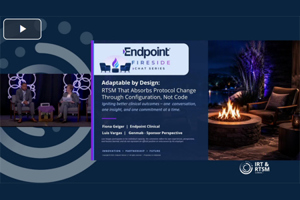
Learn how forward-looking requirements, testing, and planning for cohort, dose-level, and supply changes can build greater flexibility into RTSM design.

Healthcare decision-making is evolving fast. Discover how AI, RWE, and changing HTA frameworks are influencing pricing, patient engagement, and market access.

Discover how patient-led registries are becoming a practical source of real-world evidence, drug repurposing insight, and smarter trial design.
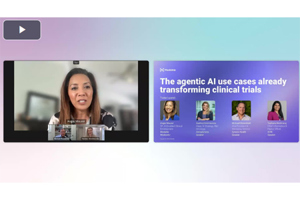
Leaders from AstraZeneca, Syneos Health, Sarah Cannon Research Institute, and Medable get candid about where agentic AI is actually earning its keep.
ARTICLES, APP NOTES, CASE STUDIES, & WHITE PAPERS
-
 Beyond Healthcare Spending: The Evolving Definition Of Value In Health Policy
As pharmaceutical policy takes on more goals, success is harder to define. Value extends beyond spending, requiring evidence that expected benefits are realized.
-
 Accelerating Enrollment For Direct-To-Patient Observational Studies
Removing the handoff between patient self-screening and enrollment changes what a fully virtual observational study can achieve, from conversion at peak intent to completion rates among participants.
-
 Restoring The American Biotechnology Edge
Michelle Longmire explores why startup delays, enrollment friction, fragmented systems, and rising costs put trials at a competitive disadvantage.
-
 How Clinical Trials Are Moving From Digitized To Agentified
See how generative and agentic AI can streamline clinical trials, with independent analysis modeling up to $21M in value and 82x ROI for agent-enabled monitoring.
-
 What Is A Forward Deployed Engineer, And Why Do Clinical Trials Need One?
See how this model can compress traditional software development from a year or more into months, including a real example of an agent built to automatically detect CTMS milestone errors and anomalies.
-
 What Is IRT And How Does It Impact Clinical Trials?
Automated randomisation, blind protection, and demand-driven supply handling replace envelope-based methods and paper-based tracking, changing study management from first site activation onward.
-
 What New DIA/Tufts CSDD Data Means For Keeping Patients In Clinical Trials
Participant compensation varies widely by region and protocol, and few sponsors calibrate it to patient burden. Payment mechanics and travel cost handling may matter as much as the amounts themselves.
-
 What Is Greenphire Travel For Clinical Trials?
Travel logistics can drive patient dropout, and sites often absorb the burden. See how sponsor-funded, coordinator-led travel support for patients and caregivers reframes how retention is protected.
-
 Engaged Patients, Better Data
Automatically triggered micropayments tied to completed questionnaires connect patient-reported data collection with payment administration, aiming to support engagement while taking manual payment work off site staff.
-
 What Is eCOA In Clinical Trials? A Strategic Enabler For Participant Engagement And Data Integrity
Replacing paper questionnaires with digital assessments helps trial teams capture consistent, real-time participant data and reduce missing entries.











- How HEOR Teams Build Evidence That Sticks
- The Hidden Costs Of Clinical Trial Technology Nobody Budgets For
- What South Africa's Trial Sites Teach Global Clinical Research
- Research Design Mistakes Even Experienced Analysts Still Make
- The Infrastructure Behind Virtua Health's Push Toward 1.5 Million Studies A Year
RECENT NEWSLETTERS
- 10.22.26 -- AI, RWE, And IRT Are Exposing Trial Workforce Gaps
- 10.15.26 -- AI, Site Burden, And Vendor Risks Are Testing Trials
- 10.08.26 -- AI, RTSM, And Trial Systems Are Still Breaking Down
- 10.03.26 -- Best Of September: AI, Wearables, And Trial Workflow Gaps
- 10.01.26 -- AI, Data Integrity, And Wireless Gaps Are Reshaping Trials


